
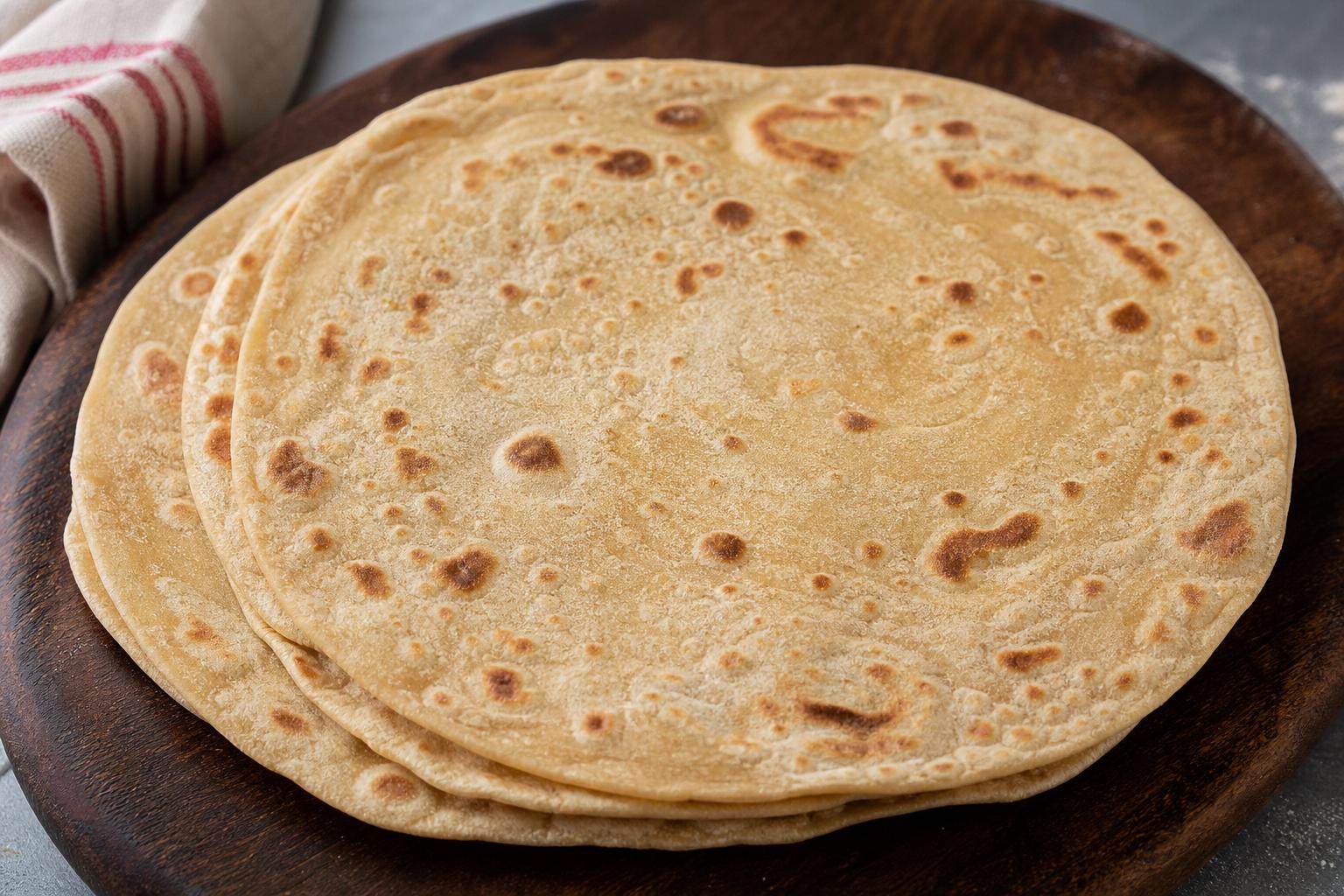
If you live in Canada, chances are “roti” means more than one thing. Maybe it’s the soft, whole-wheat flatbread that puffs over an open flame in an Indian kitchen. Maybe it’s a giant, tender wrap stuffed with curried chicken or channa and aloo at a Trinidadian spot in Scarborough or Brampton. Either way, roti has become a Canadian staple—comforting, affordable, endlessly adaptable. This guide walks you through everything: what roti is across cultures, how to make it at home, where to buy it, which flours to choose, how to store and reheat it, and even how to pick fillings like a pro. Along the way, you’ll get practical tips grounded in Canadian kitchens, grocery shelves, and food standards. Hungry yet?
What Exactly Is Roti?
At its core, roti is a flatbread. In South Asia, “roti” generally refers to unleavened breads like chapati, phulka, paratha, and tandoori roti. These are typically made with whole-wheat flour (atta), water, a bit of salt, and sometimes ghee or oil. They can be plain, layered, or finished in a tandoor. They’re meant to be torn and used to scoop up curry, dal, or sabzi.
In the Caribbean—especially Trinidad and Tobago, Guyana, and Suriname—roti evolved with Indo-Caribbean communities into its own glorious forms. Dhalpuri roti gets stuffed with seasoned, ground split peas before it’s rolled and cooked. Paratha roti, fondly nicknamed “buss up shut” for its tattered, shirt-like look, has ghee or oil layered in to create flaky sheets you can pull apart. And then there’s the roti wrap: a big, soft roti used as a wrapper for savory fillings like curry goat, curry shrimp, or channa and potatoes.
In Canada, both traditions thrive. You’ll find Indian-style roti and chapati in homes and restaurants from Surrey to Montreal, and Indo-Caribbean roti wraps in Toronto, Brampton, Mississauga, Scarborough, Calgary, and beyond. The word “roti” in a Canadian context can mean bread or a wrapped meal. Context (and the menu) tells you which one is on offer.
Roti in Canadian Life: A Tale of Two Traditions
Walk along Queen Street West in Toronto or through Brampton’s plazas, and you’ll see both legacies living side by side. South Asian eateries serve fresh chapati, tandoori roti, and parathas to accompany curries, while Indo-Caribbean roti shops roll massive wraps on hot griddles. In Vancouver and Surrey, Punjabi bakeries sell stacks of phulkas and frozen parathas; in Montreal’s Parc-Extension, you can find both Indian thalis and Trinidadian roti counters within a short stroll.
What makes roti so Canadian? It’s the way it adapts. Students stash frozen roti for quick dinners. Families stretch a pot of curry all week by rolling fresh chapati nightly. Office workers grab a butter chicken roti wrap between meetings. Food trucks sling doubles (baras stuffed with curried chickpeas) at festivals, and during Toronto Caribbean Carnival season, roti queues snake down the block. Roti fits snugly into Canadian routines—fast when you need it, slow and soulful when you have time to roll dough.
Flour, Water, Fat: Choosing Ingredients Available in Canada
Great roti starts with the right flour. Canadian shelves are full of options, and your choice shapes texture, flavour, and nutrition.
Atta vs. All-Purpose: What Works Best?
For Indian-style roti (chapati/phulka), use whole-wheat atta. It’s milled finer than typical Canadian whole-wheat flour and designed for flatbreads: soft, pliable, and strong enough to puff. Look for brands widely sold in Canada, such as Golden Temple Atta, Sher Atta, Suraj Atta (Loblaw’s South Asian line), and sometimes Aashirvaad or Deep Chakki Atta in larger cities. These are common in South Asian grocery stores, but you’ll also spot big bags at Superstore, No Frills, Walmart Canada, and T&T Supermarket in metro areas.
All-purpose flour works for layered paratha or Trinidadian-style paratha (“buss up shut”), where you want tenderness and flakes. Some cooks use a blend—50% atta and 50% all-purpose—to get whole-grain flavour with a softer bite. Dhalpuri roti usually uses all-purpose or a mix, because the dough must be supple enough to encase the ground split pea filling without tearing.
Which Water, Which Salt, Which Fat?
Tap water across Canada is fine for roti. If your municipal water is very hard, dough may feel tighter; a teaspoon of lemon juice per cup of water helps relax gluten. Use any non-iodized salt for predictable flavour. For fat, ghee adds fragrance and softness to Indian roti and parathas. Neutral oils like canola, sunflower, or avocado oil handle higher heat and are good for vegan or dairy-free roti. Coconut oil shows up in some family recipes and gives a light sweetness. For buss up shut and dhalpuri, neutral oil is the standard; some shops brush with melted butter for finish.
Split Peas and Spices for Dhalpuri
Yellow split peas are the heart of dhalpuri. You’ll find them everywhere—from bulk bins at Bulk Barn to major chains and South Asian or Caribbean grocers. Toast them lightly before grinding to keep the filling dry and sandy, not pasty. Season with ground cumin, garlic, Scotch bonnet or habanero for heat, and fresh culantro (shado beni) when you can find it; cilantro works as a substitute in Canada when culantro is scarce.
Essential Equipment for Canadian Kitchens
You don’t need exotic gear to make roti, but a few tools make it foolproof.
- Tawa or griddle: A cast-iron skillet, crepe pan, or flat griddle works if you don’t own a tawa. Cast iron holds heat and browns well.
- Rolling pin: A lightweight belan (Indian rolling pin) is ideal, but any straight or tapered pin works. Avoid heavy, thick pins that compress unevenly.
- Heat source: Gas stoves are best for phulka puffing. For coil or induction, use a wire mesh roaster, a second hot pan, or your oven’s broiler to finish.
- Bench scraper and dough tub: Helpful for portioning and keeping your counter tidy.
- Food scale: Consistent hydration is key. Canadian flour absorbs differently by brand and season; weighing helps.
That’s it. If you can make pancakes on your setup, you can make roti.
How to Make Classic Whole-Wheat Roti (Chapati/Phulka)
Let’s start with the everyday Indian roti common in homes from Winnipeg to Windsor. This version uses atta, puffs reliably, and stays soft.
Ingredients (Makes 10 medium rotis)
- 300 g whole-wheat atta (about 2 1/2 cups, spooned and leveled)
- 1/2 tsp fine salt
- 210–230 g warm water (about 3/4 to 1 cup; start low and add)
- 1–2 tsp neutral oil or melted ghee (optional, for softer roti)
Method
- Mix the dough: In a bowl, whisk flour and salt. Add 200 g warm water. Mix with your fingers until shaggy. Add more water a teaspoon at a time until no dry flour remains. It should be soft but not sticky.
- Knead briefly: Knead 5–7 minutes until smooth and elastic. If the dough smears on the counter, dust lightly with atta—use as little as you can. Rest 20–30 minutes, covered. In winter’s dry indoor heat, rub 1 tsp oil on the surface to prevent crusting.
- Portion: Divide into 10 equal balls (about 50 g each). Keep covered with a damp towel.
- Roll: Dust the counter lightly with atta. Flatten a ball, dip both sides in flour, and roll to 15–17 cm (6–7 inches), turning often so it stays round. Go for even thickness; thin edges encourage puffing.
- Cook on first side: Heat a tawa or cast-iron pan over medium-high until a drop of water sizzles. Lay the roti down. When small bubbles appear and the colour darkens in spots (about 30–40 seconds), flip.
- Cook on second side: Let larger bubbles form (20–30 seconds). Press gently with a cloth or spatula to encourage air pockets.
- Finish puffing: If you have gas, lift the roti with tongs and place the first-cooked side directly over a low flame for 3–5 seconds. It should balloon. On electric or induction, flip to a very hot dry pan, or use a wire mesh roaster or the oven broiler for a few seconds.
- Keep soft: Brush with ghee or oil if you like, stack in a cloth-lined container, and cover. Steam from stacking keeps them pliable.
Troubleshooting Soft, Puffing Roti
Roti not puffing? Falling flat? Dry? These simple adjustments help.
| Problem | Likely Cause | Fix |
|---|---|---|
| Roti won’t puff | Dough too dry; uneven rolling; pan not hot enough | Add 1–2 tsp more water next batch; roll evenly; preheat longer |
| Dry or cracked edges | Too much flour used for dusting; under-hydrated dough | Use less dusting flour; increase hydration slightly; rest dough longer |
| Tears during puffing | Over-rolled thin spots; weak gluten due to short knead | Roll evenly; knead 1–2 minutes more; let dough rest fully |
| Hard after cooling | Overcooked; not stacked/covered | Cook just until brown spots appear; stack and cover to steam |
How to Make Trinidadian Dhalpuri Roti
Dhalpuri roti is iconic in Canadian Indo-Caribbean kitchens. The tender dough wraps a delicately spiced, sandy split-pea filling. It’s an art, but entirely doable at home with a few guardrails.
Ingredients (Makes 6 large dhalpuris)
- Dough: 450 g all-purpose flour (about 3 3/4 cups), 1 tsp baking powder, 1 tsp salt, 300–330 g warm water (1 1/4 to 1 1/3 cups), 2 tbsp oil
- Filling: 300 g yellow split peas (1 1/2 cups), 1 tsp ground cumin, 2 cloves garlic (or 1 tsp garlic powder), 1 small hot pepper (Scotch bonnet or habanero), 1/2 tsp ground black pepper, 1 tsp salt, 2–3 tbsp chopped culantro or cilantro
- For cooking: Neutral oil or ghee
Method
- Cook and dry the peas: Rinse split peas. Simmer in plenty of water until just tender but not mushy, about 20–25 minutes. Drain thoroughly. Spread on a sheet pan to steam-dry 10–15 minutes.
- Season and grind: Pulse peas with cumin, garlic, hot pepper, black pepper, salt, and culantro/cilantro in a food processor to a sandy crumble. It should clump slightly when pressed but fall apart easily—avoid a paste.
- Make the dough: Mix flour, baking powder, and salt. Add warm water and oil. Knead 5 minutes until smooth and pliable. Rest 30 minutes, covered.
- Portion and fill: Divide dough into 6 balls. Flatten one into a disk, place a generous mound of pea filling in the centre (about 1/3 to 1/2 cup), and gather edges to enclose. Pinch tightly to seal. Rest 5–10 minutes, seam-side down.
- Roll gently: On a lightly floured surface, roll each filled ball into a large circle (25–28 cm). Use the lightest pressure—if you see yellow flecks appearing, you’re doing it right; if the dough tears, ease up or chill the dough briefly.
- Cook: Heat a tawa or griddle over medium. Cook 1–2 minutes per side, brushing with a little oil or ghee, until you see light brown freckling and smell toasted cumin. Stack and cover to keep tender.
In Canada, yellow split peas vary by brand; some cook faster than others. If your filling turns pasty, bake it at low heat (120–140°C) for 10 minutes to dry, then re-pulse to crumbs. Don’t skip resting the dough—it keeps the wrapper from retracting and tearing during rolling.
How to Make Trinidadian Paratha Roti (Buss Up Shut)
Flaky, tender, and slightly shredded at the end, buss up shut is the roti that invites fingers to tear and scoop. It’s perfect with curry chicken, curry goat, or pumpkin bhaji.
Ingredients (Makes 4–5 large rotis)
- 500 g all-purpose flour (4 cups), 1 tsp baking powder, 1 tsp salt
- 300 g warm water (1 1/4 cups), plus more as needed
- 4–5 tbsp ghee or oil for layering, plus more for cooking
Method
- Dough: Mix dry ingredients. Add warm water gradually until a soft, slightly tacky dough forms. Knead 5–7 minutes. Rest 30 minutes.
- Layering (paratha lamination): Divide into 4–5 balls. Roll each into a thin circle. Brush generously with melted ghee or oil. Cut a slit from centre to edge, then roll into a cone. Tuck the tip under and press to shape a ball. Rest 20 minutes.
- Roll and cook: Roll each layered ball into a large circle (25–28 cm). Cook on medium heat, brushing with oil on both sides, until puffed in spots and lightly browned.
- Buss up: Transfer to a bowl and clap with two wooden spatulas or crush lightly with gloved hands to “buss up” the layers into soft shreds. Cover immediately. Repeat.
If you’re cooking on an electric stove in Canada’s apartment kitchens, preheat the pan longer than you think—cast iron needs time. Keep a slightly lower heat than for chapati to avoid browning before the layers cook through.
What to Put in a Roti Wrap: Canadian-Ready Fillings
Whether you’re in Mississauga or Moncton, the fillings make the roti wrap. Indo-Caribbean shops across Canada offer classics, and you can cook them at home with grocery-store ingredients.
Vegetarian and Vegan Favourites
- Channa and aloo: Curried chickpeas and potatoes with cumin, turmeric, and garlic. Budget-friendly, meal-prep gold, and naturally vegan.
- Butternut squash or pumpkin: Sweet, soft, and spiked with Caribbean curry powder and thyme. Great in fall when Canadian squash is everywhere.
- Saag or palak: Spiced spinach, sometimes with paneer. Add a squeeze of lemon to brighten richness.
- Mixed veg: Cauliflower, peas, carrots, and green beans in a mild curry—for family dinners where spice tolerance varies.
Meaty and Hearty
- Curry chicken: Bone-in for flavour or boneless for tidy wraps. In Canada, aim for an internal temperature of 74°C (165°F) for food safety.
- Curry goat: A Trinidadian-Canadian standby. Slow-cook until tender; the sauce should cling without soaking the roti.
- Curry shrimp: Quick-cooking and fragrant. Pat shrimp dry to avoid watery fillings.
- Butter chicken roti: An Indian-Canadian hybrid you’ll see in chains and independent shops—creamy tomato-butter sauce wrapped in soft roti.
Keep fillings thick and not soupy. If your curry is loose, reduce it on the stove until it coats a spoon. For heat, Scotch bonnet is classic, but Canadian jalapeños or habaneros work—start small, taste, adjust. If you keep halal, look for Halal-certified meats at Iqbal Halal Foods in the GTA, Surplus stores with halal options, or mainstream chains that carry certified lines.
Indian Roti vs. Caribbean Roti: Key Differences
Same word, different experiences. Here’s how the two main traditions differ in Canada:
| Style | Flour | Texture | Usage | Cooking Method |
|---|---|---|---|---|
| Indian chapati/phulka | Whole-wheat atta | Soft, thin, can puff | Side bread for curries, dal | Tawa or skillet, sometimes finished over flame |
| Indian paratha | Atta or atta/AP blend | Layered, flaky | Side bread or stuffed (aloo, paneer) | Griddle-fried with ghee or oil |
| Caribbean dhalpuri | All-purpose or blend | Thin, tender, filled with split peas | Wrap or plate bread | Griddle with light oil |
| Caribbean paratha (buss up shut) | All-purpose | Flaky, soft, torn into shreds | Plate bread with curries | Griddle-fried with oil or ghee and “bussed up” |
Buying Roti in Canada: Stores, Shops, and Prices
Not in the mood to roll dough? Canada makes it easy to buy roti, whether you want bread to pair with curry or full roti wraps.
Where to Find Fresh and Frozen Roti
- South Asian and Caribbean grocers: In the GTA, try Iqbal Halal Foods, Bhullar Market, or independent South Asian supermarkets across Brampton, Mississauga, and Scarborough. In Vancouver and Surrey, look for Fruiticana and Sabzi Mandi. Calgary’s northeast is dense with South Asian stores; Montreal’s Parc-Extension and Côte-des-Neiges have lots of options.
- Major chains: Real Canadian Superstore, No Frills, Walmart Canada, Loblaws, and T&T often stock frozen parathas, chapati, and naan, plus large bags of atta. Look for Golden Temple, Sher, and Suraj brands for flour; for frozen breads, brands vary by region.
- Independent roti shops: In Toronto and the suburbs, examples include Ali’s Roti Shop (Trinidadian-style), Drupati’s, Roti Hut (Scarborough), and Butter Chicken Roti (an Indian-fusion chain). Similar spots exist in Vancouver, Calgary, Edmonton, Ottawa, and Montreal—search your neighbourhood; the best ones spread by word of mouth.
Typical Prices
Prices shift with location and inflation, but these ranges are common in Canadian cities:
- Roti wrap (Caribbean style): roughly $12–$19 depending on filling and size
- Doubles: about $3–$6 each
- Fresh chapati/tandoori roti at restaurants: often $2–$4 per piece
- Frozen paratha or roti (packs of 5–20): around $5–$18 depending on brand and quantity
- 10 kg bag of atta: typically $14–$28, brand and region dependent
Want budget roti? Many shops run lunch specials; campus areas in Toronto and Montreal tend to have student-friendly prices. Buying flour in bulk and freezing extra dough also drives per-roti costs well under a dollar at home.
Nutrition: Whole-Wheat Roti, Paratha, and Special Diets
Roti can be as light or as rich as you make it. A plain, 6–7 inch chapati made with atta usually lands around 110–140 calories with 3–4 g of protein and 2–3 g of fibre. Parathas and buss up shut, cooked with fat and often made with all-purpose flour, can run 200–300 calories each or more, depending on size and layering.
For people managing blood sugar, whole-wheat roti (atta) offers more fibre and a steadier glycemic impact than white flour breads. Pair roti with high-fibre fillings like channa and vegetables, and keep portions consistent. If you’re tracking salt, remember commercial curry pastes and powders can be sodium-heavy—taste before salting. Vegetarian and vegan roti options are abundant: chapati uses just flour, water, and salt; fillings like channa and aloo or mixed veg are naturally plant-based.
Is Roti Gluten-Free?
Traditional roti is not gluten-free. However, you can make gluten-free flatbreads that behave similarly. Try sorghum flour with psyllium husk for pliability, or a blend of chickpea flour (besan) and tapioca starch for flexibility. Gluten-free doughs often require hotter pans and short cook times to stay soft. For celiac disease, avoid cross-contamination: use dedicated pans, utensils, and storage containers.
Meal Prep: Storage and Reheating Without Drying Out
Canada’s dry winters can be brutal on flatbreads, but smart storage keeps roti soft and fresh.
- Short-term (same day): Keep cooked rotis stacked in a cloth-lined container with a loose lid. Steam keeps them supple.
- Refrigeration (2–3 days): Wrap stacks in foil or a damp paper towel inside a sealed bag. To reheat, use a hot skillet 15–20 seconds per side, or microwave wrapped in a damp towel for 20–30 seconds.
- Freezing (up to 2–3 months): Freeze cooked rotis with parchment between each. Reheat straight from frozen on a hot pan or under a broiler for 30–45 seconds. For raw dough, freeze portioned balls; thaw overnight in the fridge before rolling.
Keep fillings and rotis separate until serving; otherwise, the bread gets soggy. For lunch at work, pack heated filling in a thermos and a couple of roti wrapped in foil. Assemble just before eating.
Roti Dough: Time-Saving Tricks for Busy Weeknights
Here’s a weekday routine Canadians swear by. On Sunday, mix a double batch of dough, portion into balls, oil lightly, and refrigerate in a covered container. It keeps 48–72 hours. On weeknights, take out what you need 20 minutes early, roll, and cook fresh. You’ll get warm roti in the time it takes the curry to heat.
Another approach: par-cook chapati for 20 seconds per side, cool, and freeze. They reheat fast and puff nicely for dinner. For dhalpuri and buss up shut, make and freeze the filling or layered dough portions ahead, then thaw and roll when you crave the real deal.
Canadian Food Safety and Labelling: What to Know
Two quick reminders for home cooks and shoppers:
- Meat temperatures: In Canada, cook poultry to an internal temperature of 74°C (165°F), ground meats like beef to 71°C (160°F), and reheat leftovers (curries, fillings) to 74°C. Use a digital thermometer for accuracy.
- Allergen labels: Packaged roti, frozen parathas, and spice mixes follow Canadian labelling rules. Check for allergens like wheat (gluten), milk (ghee, butter), sesame, or nuts. If you’re avoiding enriched flour, note that “white flour” sold in Canada is generally enriched with iron and B vitamins, per federal standards. Whole-wheat atta is typically not enriched.
Buying from small shops? Ask staff about ingredients and cross-contact if you have allergies. Many Canadian roti shops are happy to guide you through spice levels, halal preparation, and dairy-free options.
Roti vs. Naan vs. Tortilla vs. Pita: A Handy Comparison
Walk into a Canadian supermarket and the flatbread aisle can be confusing. Here’s a quick comparison to help you pick the right one for dinner.
| Bread | Flour/Base | Leavening | Texture | Typical Use |
|---|---|---|---|---|
| Roti (chapati/phulka) | Whole-wheat atta | Unleavened | Soft, thin, can puff | Indian meals, everyday bread |
| Caribbean roti (dhalpuri/paratha) | All-purpose or blend | Unleavened with baking powder | Tender, flaky; used as wrap | Roti wraps with curry fillings |
| Naan | All-purpose or bread flour | Usually yeasted, sometimes yogurt | Chewy, thicker | Tandoori dishes, saucy curries |
| Tortilla (wheat) | All-purpose, often with fat | Unleavened | Flexible, thin | Wraps, burritos, quesadillas |
| Pita | All-purpose/whole-wheat | Yeasted | Pocket-forming | Stuffed sandwiches, dips |
Could you swap one for another in a pinch? Sometimes. But if you want that true roti experience—especially for wraps—stick to dhalpuri or paratha.
The Best Flour for Roti in Canada: Brands and Buying Tips
Flour varies more than you’d think. Here’s how to choose wisely for your roti goals:
- For soft Indian chapati: Golden Temple Durum Atta or Sher Atta Chakki. These are milled for flatbreads and easy to find in 9–10 kg bags in major cities.
- For layered paratha or buss up shut: All-purpose flour from any major Canadian brand works. Consider blending with 25–50% atta if you like more flavour.
- Organic or specialty: Some stores carry organic atta or stone-ground options. Expect a slightly nuttier flavour and sometimes more water absorption.
Storage matters in Canadian seasons. In summer humidity, flour can clump; in dry winters, it dries out quickly once the bag is open. Transfer flour to an airtight bin and keep cool and dark. For long-term storage, freeze flour for a few days to deter pantry pests, then move it to a sealed container in your pantry.
Roti at Canadian Festivals and on Campus
Roti belongs outdoors as much as it does in your kitchen. At the Toronto Caribbean Carnival, roti wraps and doubles are crowd magnets. You’ll find roti stalls at city food festivals from Vancouver’s Vaisakhi celebrations to Calgary’s cultural fairs and Ottawa’s summer markets. Campus life, too: near universities in Toronto, Montreal, Waterloo, and Vancouver, roti shops serve students late into the night, balancing speed, comfort, and price.
Got family visiting? A tour of roti styles is an easy way to show off Canadian diversity. One lunch, two traditions: Indian thalis with chapati in one neighbourhood, and Trinidadian roti wraps a short drive away. Everyone eats well, and you’ve just told a story of migration on a plate.
Cost, Budgeting, and Value: How Cheap Is Homemade Roti?
Homemade roti is one of the best-value foods you can make in Canada. A 10 kg bag of atta costing, say, $20 can produce roughly 250–300 chapatis depending on size. That puts each roti at around 7–10 cents for flour. Add a drizzle of oil or ghee, and you’re still under 15 cents. Even richer rotis like buss up shut stay affordable—flour, oil, baking powder, and a bit of time. Curries, especially legumes like chickpeas or lentils, keep the overall meal budget-friendly. If you batch-cook on Sundays and freeze, weekday dinners become both cheap and fast.
Technique Deep-Dive: Hydration, Heat, and Puffing
Mastering roti often comes down to three variables: hydration, heat, and handling.
Hydration: With Canadian atta, a good starting hydration is roughly 70% water to flour by weight for chapati. Colder months and drier homes may need a touch more. The dough should feel soft like your earlobe, not sticky like glue. Resting allows the bran to hydrate fully, which leads to better puffing.
Heat: Preheat your pan thoroughly. If it’s not hot enough, rotis dry out before they cook; too hot and they char outside while remaining raw inside. Aim for small brown freckles within a minute on the first side. Adjust heat as you go—stoves vary.
Handling: Even thickness encourages the steam to expand between layers, creating that satisfying balloon. If a bubble starts, guide it gently with a cloth or spatula. Over-flouring during rolling prevents layers from sealing, which can block puffing; use just enough flour to avoid sticking.
Common Mistakes and How to Fix Them
Even experienced cooks have off days. Here’s how to recover.
- Dough feels tight and won’t roll: You likely under-hydrated or didn’t rest it. Knead in a teaspoon of water at a time and let it relax 15 minutes.
- Roti tastes bland: Add a pinch more salt to the dough or brush the cooked roti with ghee and a whisper of salt.
- Paratha layers fused: Too little fat during layering or heat too low. Be generous with ghee/oil and cook on medium so layers steam and separate.
- Dhalpuri filling leaks: Dough too thin or seam not sealed. Leave a slightly thicker rim when rolling and pinch seams firmly. Let filled dough rest to relax gluten.
- Wrap cracks while folding: Use a fresher, softer roti or warm it before filling. Thick curries or drier fillings are easier to wrap than soupy ones.
Healthful Swaps Without Compromising Flavour
Want a lighter roti wrap without losing the joy? Try half atta, half all-purpose for dhalpuri or paratha to nudge fibre up. For chapati, sub 10–20% of the atta with oat flour for extra softness and soluble fibre—start small to avoid tearing. Bake chicken without skin and finish in curry sauce to cut fat. Use coconut milk lightened with a bit of cashew cream for rich sauces without going overboard.
Cooking on Electric or Induction: No Gas, No Problem
Many Canadian condos and rentals use electric or induction. You can still nail puffing:
- Use a wire mesh roaster over the coil or a perforated roti jali designed for electric elements. Keep a close eye to avoid scorching.
- Preheat a second skillet. Cook the roti in pan one, then flip to the screaming-hot pan two for puffing.
- Broiler hack: Briefly broil the semi-cooked roti on a sheet tray to balloon it, then return to the stovetop to spot-brown.
You’ll get a similar result to gas with minor timing tweaks.
Roti Etiquette, Serving, and Sides
In Indian meals, roti is often torn by hand and used to scoop. A simple side of cucumber raita, onion salad with lemon, or a quick kachumber brightens rich curries. In Indo-Caribbean style, roti wraps can come “cut” (halved and wrapped) or whole, sometimes with pepper sauce on the side. Doubles make a great starter. In Canada, you’ll also see fusion sides—coleslaw with jerk chicken roti, or a Caesar salad next to butter chicken roti. It’s your table; serve what you love.
Culture and Community: Why Roti Matters in Canada
Roti carries stories. For some families, it’s the rhythm of a rolling pin each night—a thread back to grandparents. For others, it’s the post-soccer practice dinner that fills a teenager without draining the grocery budget. In Toronto’s west end, an Ali’s roti can taste like home to Trinidadian Canadians; in Surrey, stacks of warm chapati signal hospitality in Punjabi households. Food trucks at Canadian festivals introduce newcomers to doubles and buss up shut, while university clubs plan “roti nights” that turn strangers into friends. The bread does more than wrap a curry; it wraps community.
Step-by-Step: A One-Pan Weeknight Roti Wrap (Canadian Pantry Edition)
Short on time? This method uses pantry staples you’ll find anywhere in Canada.
- Make a fast dough: Mix 2 cups all-purpose flour, 1/2 tsp salt, 1 tsp baking powder, and 3/4 cup warm water plus 1 tbsp oil. Knead briefly. Rest 15 minutes.
- Cook a quick filling: Sauté 1 small onion and 2 garlic cloves. Add 1–2 tbsp curry powder and 1 tsp ground cumin. Stir in 2 cups cooked chickpeas (or a drained can) and 1 cup diced tomatoes. Simmer until thick, 8–10 minutes. Season with salt and a squeeze of lime.
- Roll and cook roti: Divide dough into 4 balls. Roll each thin and cook on a hot pan with a touch of oil until lightly browned.
- Assemble: Spoon filling onto roti, add chopped cilantro or green onion, maybe a drizzle of pepper sauce, and fold like a burrito. Dinner in 30 minutes.
Not authentic dhalpuri, not Indian chapati—just a practical Canadian roti wrap that hits the spot.
Scaling Up for Parties: Roti for a Crowd
Hosting a birthday or a backyard get-together? Roti feeds people easily. Make a big batch of buss up shut, keep it warm in a towel-lined cooler, and set out slow-cooker curries: a mild butter chicken, a medium curry channa, and a hot curry goat for the spice-lovers. Offer a pepper sauce, yogurt raita, and chopped herbs. Label spice levels clearly—Canadian guests run from mild to fearless. For leftovers, pack rotis and curries separately so they don’t get soggy overnight.
Sourcing Spices and Curry Powders in Canada
Great roti deserves well-balanced spices. You’ll find Trinidadian curry powders (often with turmeric, coriander, cumin, fenugreek) in Caribbean stores; Indian garam masala, Kashmiri chili, and cumin at South Asian grocers and mainstream chains. Fresh curry leaves show up at larger stores weekly. If you’re starting from scratch, buy small amounts to keep flavours bright—spices fade faster in warm, bright kitchens.
Kids, Lunchboxes, and Make-Ahead Ideas
Roti is lunchbox-friendly if you keep mess to a minimum. Roll pinwheel sandwiches with thin paratha and a mild potato and pea filling; slice into bite-size rounds. For Indian-style tiffin, pack chapati triangles with a small container of dal and a cucumber salad. Canadian schools vary in nut policies, so avoid nut chutneys unless you’re certain. A thermos keeps fillings safe at temperature, and cooled chapati stays soft if wrapped well.
Sustainability: Prairie Wheat on Your Plate
Much of the wheat milled for flour in Canada comes from the Prairies. When you buy Canadian-milled atta or all-purpose flour, you’re tying your roti to prairie farms and local mills. If sustainability matters to you, look for Canadian-milled brands and consider buying in sizes you’ll finish before quality dips—wasting flour is its own footprint. Cooking roti at home can also mean fewer takeout containers. Small steps add up.
Roti and Dietary Restrictions: Halal, Kosher, and Vegetarian
Roti bread is typically vegetarian, and easily vegan when you use oil instead of ghee. For halal meals, many Canadian butchers and chains carry certified meats. If you keep kosher, focus on parve roti and pair with kosher-certified fillings. Communicate with restaurants—most are well-versed in dietary needs and can suggest suitable combinations.
Regional Canadian Spotlights: Where Roti Shines
Greater Toronto Area: The densest concentration of roti shops, from Indian paratha spots to Trinidadian roti institutions. You’ll find everything from classic curry goat roti to creative butter chicken roti and paneer tikka wraps.
Vancouver and Surrey: Strong Punjabi and South Asian presence means excellent chapati, parathas, and a growing number of Indo-Caribbean vendors. Frozen roti options are abundant in mainstream chains here too.
Calgary and Edmonton: Northeast Calgary and north Edmonton have lively South Asian plazas with fresh roti, atta, and spice stores. Indo-Caribbean roti wraps are increasingly common on takeout menus.
Montreal and Ottawa: Parc-Extension, Côte-des-Neiges, and pockets of Ottawa’s west end offer a mix of Indian and Caribbean roti styles. Montreal’s restaurants often add French-Canadian twists; don’t be surprised to see inventive sides.
Atlantic Canada: Smaller communities, but roti appears in Indian restaurants in Halifax, Moncton, and St. John’s, with the occasional pop-up or food truck serving doubles and roti wraps during festival seasons.
Pro Tips from Canadian Home Cooks
- Use boiling water for ultra-soft parathas: Mix flour with very hot water to gelatinize some starch. Let cool before kneading smoothly. Great for wraps.
- Brush with milk for softness: A light milk glaze on chapati mimics ghee’s tenderness without the butter flavour. Useful for dairy-light households.
- Keep a dough diary: Note brand of flour, water added, and outcome. Canadian seasons change hydration needs more than you think.
- Warm the flour: Briefly warming atta in a low oven (under 80°C) takes the chill off and improves softness on winter days.
Smart Ordering at Roti Shops
At a Caribbean roti shop, you’ll often be asked: “Peppa?” That means pepper sauce. If you’re new, ask for a small cup on the side. Choose your heat, pick a filling (channa and aloo, curry chicken, curry goat, shrimp), and decide if you want it “cut” in half. At Indian restaurants, chapati and tandoori roti are side breads; paratha can be plain or stuffed (aloo, gobi, paneer). Butter chicken roti and paneer tikka roti wraps are Indian-Canadian hybrids—great for takeout when you want handheld comfort.
When Roti Meets Leftovers: Creative, Waste-Not Meals
Leftover turkey from a Canadian Thanksgiving? Shred and simmer with curry powder, garlic, and a splash of coconut milk for a quick roti filling. Roasted vegetables from Sunday dinner become an excellent paratha stuffing with cumin and lemon. Cold chapati transforms into a crispy “roti quesadilla” with paneer, onions, and chutney. It’s not traditional, but it’s delicious and thrifty.
Practice Plan: Improve Your Roti in One Week
Day 1: Make a small batch of chapati. Focus on even rolling.
Day 3: Repeat with 5% more water. Note puffing differences.
Day 5: Try finishing one roti over an open flame or broiler for extra puff.
Day 7: Make dhalpuri. You’ll apply what you learned about gentle rolling and dough rest to a more advanced style.
By the end of the week, your hands will “know” what the dough should feel like. That’s the biggest leap for most home cooks.
Frequently Asked Questions
What is roti?
Roti is a family of flatbreads from South Asia and the Caribbean. In Indian cuisine, it includes chapati, phulka, and paratha. In the Caribbean, roti refers to breads like dhalpuri and paratha (“buss up shut”), and to roti wraps filled with curry.
Is roti the same as naan?
No. Roti is usually unleavened and thinner; naan is typically yeasted, thicker, and often cooked in a tandoor. They serve different roles at the table.
Which flour should I buy in Canada for soft roti?
Look for whole-wheat atta for Indian-style chapati and phulka—Golden Temple, Sher, or Suraj are common. For Caribbean roti like dhalpuri or paratha, all-purpose flour works well, sometimes blended with atta.
How do I make my roti puff?
Use a soft, well-rested dough; roll evenly; cook on a properly preheated pan; and finish briefly over open flame, a second hot pan, or the broiler to encourage ballooning.
Where can I buy roti in Toronto?
Across the GTA you’ll find both Indian and Indo-Caribbean roti. Examples include Ali’s Roti Shop, Drupati’s, Roti Hut in Scarborough, and Butter Chicken Roti locations. Many neighbourhoods have excellent independent spots—ask locals for favourites.
Is roti healthy?
It can be. Whole-wheat chapati offers fibre and modest calories. Paratha and buss up shut are richer due to added fat. Overall nutrition depends on the bread style and the filling you choose.
Can I freeze roti?
Yes. Freeze cooked rotis with parchment between each or freeze portioned dough balls. Reheat on a hot pan or in the microwave wrapped in a damp towel.
What’s in a Trinidadian roti wrap?
A soft dhalpuri or paratha roti filled with curries like channa and aloo, curry chicken, curry goat, or shrimp. Pepper sauce on the side is common.
Is roti gluten-free?
Traditional roti is made with wheat and contains gluten. Gluten-free versions exist using alternative flours and binders, but they differ in texture.
How much does a roti wrap cost in Canada?
In major cities, expect about $12–$19 depending on size and filling. Doubles generally cost $3–$6 each.
Can I make roti on an induction stove?
Absolutely. Preheat well, use cast iron for heat retention, and finish puffing with a second hot pan, wire mesh roaster, or a brief broil.
What’s the difference between chapati and paratha?
Chapati (phulka) is a plain, unleavened whole-wheat roti—soft and often puffed. Paratha is layered with fat, griddle-fried, and flakier. Both are common in Canada’s Indian restaurants and homes.