
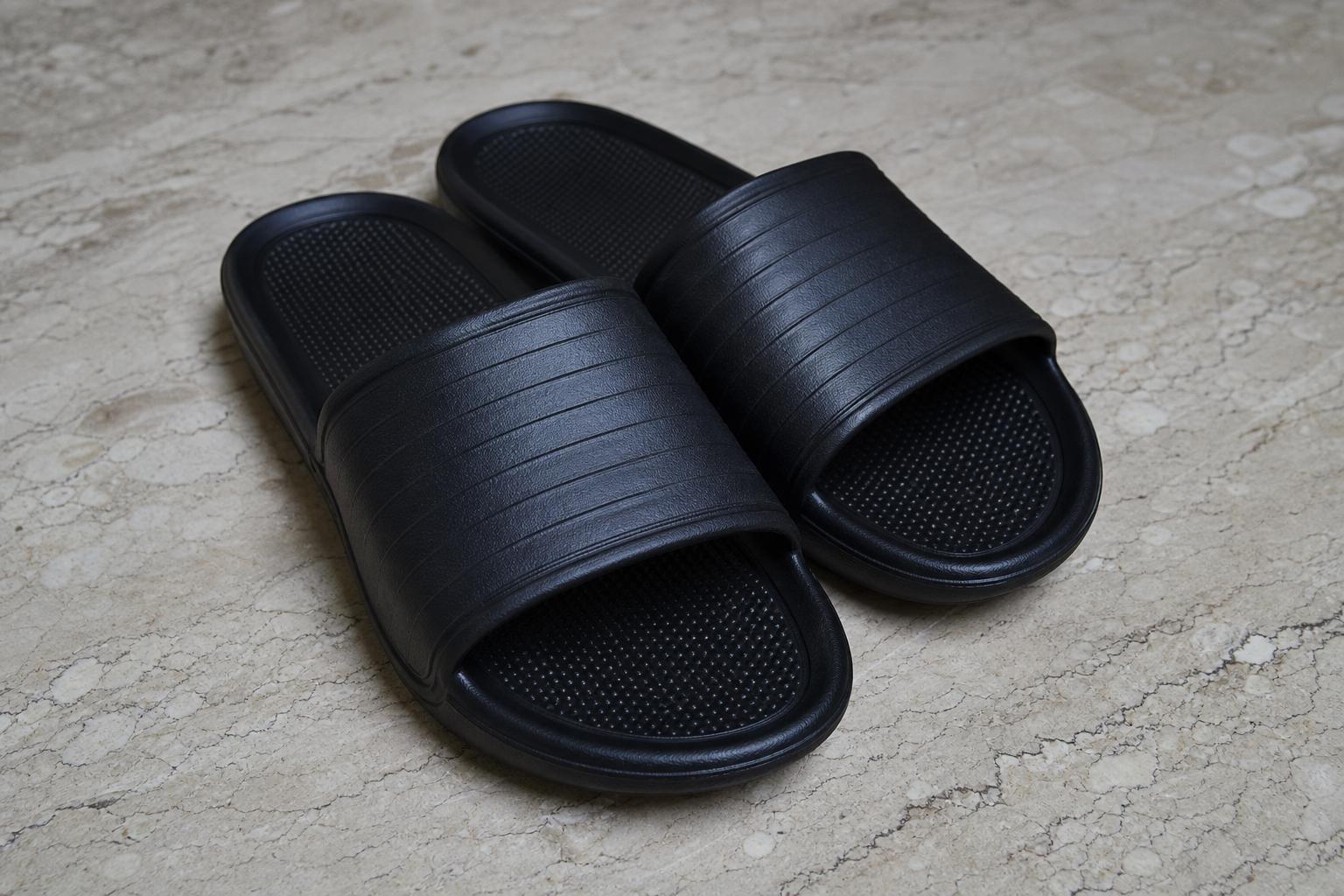
Cold floors in January. A quick run to the mailbox across icy steps. Padding down to the basement laundry on chilly concrete. If you live anywhere in Canada, you already know: a good pair of slippers is less a luxury and more a daily companion. The right house shoes keep feet warm, help your back and knees, and even make hardwood less noisy. The wrong pair? Slippy on stairs, sweaty by noon, threadbare by March. This guide walks you through how to choose, care for, and get the most from slippers in Canada—including material breakdowns, fit and foot-health tips, price expectations in CAD, where to buy (from Vancouver to St. John’s), and what actually lasts through a Canadian winter.
We’ll unpack types (from wool felt clogs and moccasin slippers to bootie slippers and indoor-outdoor slip-ons), compare materials like shearling, wool, down, cotton terry, and synthetics, and explain why traction matters more than you think. You’ll see Canadian-specific buying advice—like provincial sales tax realities and shipping to the territories—plus care instructions that go beyond “throw in the wash.” The goal: slippers that feel great, hold up, and suit your space, season, and feet.
Why Slippers Matter at Home in Canada
Most Canadian households ask guests to remove outdoor shoes at the door. That cultural norm keeps snow, salt, and city grit out of living spaces, but it also means your feet need something warm and clean to slip into year-round. Barefoot on tile in February? Brave, but not necessary. Socked feet on smooth stairs? That’s a slip waiting to happen. A proper pair of indoor slippers creates a warm, grippy middle ground between boots and bare toes.
There’s also the subtle comfort equation. Many Canadian homes have hardwood on upper floors and unfinished concrete in basements. Radiant heat isn’t universal, and electric heating can be expensive. Slippers with insulating uppers and a bit of underfoot support let you nudge the thermostat down a notch. A humble house slipper can be one of the cheapest “energy efficiency” upgrades in your toolkit—especially if the whole family wears them.
Then there’s joint relief. If you experience plantar fasciitis, knee pain, or lower back fatigue, a supportive pair of indoor slippers with arch support and a firm midsole can make evening chores and weekend puttering less punishing. Not all “cozy” footwear helps; extremely soft memory foam can feel cushiony at first but may let your arch collapse by the end of the day. The trick is matching the right slipper to your feet and flooring.
Types of Slippers and Where They Shine
Not all slippers are shaped alike, and that matters for warmth, support, and safety. Here’s a breakdown of common categories you’ll find in Canadian stores and what they do best.
Scuffs and Slip-On Slippers
Think of these as backless mules. You slide in quickly, and your heel is free. They’re the fastest option for popping out to the porch or midnight kitchen raids. Look for a structured footbed if you stand a lot while wearing them. The downside: they can flip off on stairs or while carrying laundry. On smooth hardwood, choose a pair with a rubber outsole and a lip or slight heel cup for a bit of “stay put.”
Moccasin Slippers
A Canadian classic, moccasin slippers typically have a soft leather or suede upper, often lined with shearling or faux fur. They’re flexible and quiet—great for condo life or nap time. Modern versions may add a rubber pod outsole so you can grab the newspaper without soaking your sole. Handcrafted moccasin slippers from Indigenous-owned brands often use high-quality hides and careful stitching; they can last years with light care.
Bootie Slippers
These cover your ankles and sometimes your lower calf. When your home runs cool, a bootie with shearling lining or a knit upper is bliss. They’re stellar in basement offices or for late-night feeding sessions with a newborn. If stairs are in the picture, choose bootie slippers with a defined, grippy outsole and enough structure that your foot doesn’t roll at the ankle.
Clog-Style House Shoes
Wool felt clogs and cork-footbed mules blur the line between footwear and slipper. They have a robust insole, occasionally removable, and a supportive shape. If you cook, craft, or stand at a workbench, a clog with arch support is a good bet. Many Canadians treat these as indoor shoes full stop. Some models double as indoor-outdoor slippers with a sturdier sole for a backyard trip.
Slipper Socks and Knit Booties
More sock than shoe, but thicker, often with grippy dots or a thin rubberized layer. They’re packable and cozy, especially for travel or dorm life. On stairs they’re not ideal unless the traction is excellent; on tile, the dots can help, but they wear down quickly with washing.
Spa Slippers and Hotel Slippers
Open-toe or closed-toe terry pairs typically used for short stints post-shower or in hotels. They’re light, hygienic as guest slippers, and often machine washable. Not much support, so keep them for occasional wear or for guests who forgot their house shoes.
Indoor-Outdoor Slippers
Built for house use but capable of a dash across the driveway. These usually have a rubber outsole, water-resistant suede or nylon uppers, and insulation. Perfect for grabbing firewood at a cottage or walking a dog to the curb. Salt and slush will age them fast, so treat with a water repellent and avoid deep puddles.
Camp, Cabin, and Cottage Slippers
Down booties and insulated “puffer” slippers are staples at MEC, outdoor retailers, and northern cabins. They’re ultralight and extremely warm for sitting around or crawling in and out of a tent. Most have fabric soles or thin rubber; they’re not meant for rough outdoor wear but excel in drafty lodges and for cold sleepers.
Materials Decoded: Warmth, Breathability, Durability
What your slippers are made of matters more than their colour. The material controls warmth, odour, and lifespan. Here’s what you’ll come across in Canadian shops:
Wool and Wool Felt
Wool regulates temperature and wicks moisture naturally. Felted wool clogs mold to your foot and stay warm without turning swampy. Because wool resists odour, it’s a favourite for sockless wear. Look for dense felt (measured by weight or just by feel—stiffer is often better) and a decent outsole. Hand-felted options feel luxurious, while machine-felted pairs are affordable and consistent.
Sheepskin and Shearling
Shearling slippers are winter royalty. They’re plush, insulating, and shockingly breathable with bare feet. Sheepskin wicks moisture and dries quickly if you air it out. They can be pricey, and snow/ice will stain untreated suede. A suede-protectant spray and gentle care keep them beautiful.
Cotton Terry and Cotton Canvas
Think bathrobe material or lightweight canvas uppers. Cotton slippers are breathable and easy to wash, making them handy as summer slippers or spa-style guest pairs. They don’t hold warmth like wool or down, and porous soles wear through faster on rough floors.
Synthetic Fleece and Microfiber
Very soft, relatively cheap, and widely available. Synthetic fleece traps heat well, sometimes too well. If your feet sweat, look for a breathable lining or perforations under the arch. Odour can build more quickly than with wool; removable insoles help, as does regular airing.
Leather and Suede
Durable and mouldable, leather uppers feel premium and can last for years. Suede is softer but shows stains. Many moccasin slippers use leather outside and fleece or shearling inside. Leather’s breathability is better than most synthetics; pair leather with a rubber outsole if you’ll step outside.
Down and Synthetic Insulation
For camp and cottage slippers, baffled down or synthetic insulation keeps toes radiantly warm with minimal weight. These are fantastic for stationary warmth (reading on the couch, cabin board games) but don’t offer much support. Choose a model with a thin rubber outsole if you plan short outdoor strolls on dry surfaces.
Outsoles: EVA, Rubber, Cork, and Fabric
EVA foam is light and cushy, good for quiet floors, but it can be slick when wet. Rubber outsoles offer traction and durability; look for non-marking treads on light floors. Cork footbeds provide structure and can mold to you over time. Fabric soles are quiet and cozy but can be slippery on hardwood and wear out fastest.
| Material | Warmth | Breathability | Care | Durability | Best For |
|---|---|---|---|---|---|
| Wool/Felt | High | High | Spot clean; some hand-wash | High | Year-round comfort, odour resistance |
| Sheepskin/Shearling | Very high | High | Special cleaner; no high heat | High | Cold homes, bare feet wearers |
| Cotton Terry/Canvas | Low–Medium | High | Machine washable (often) | Medium | Summer, guest slippers, spas |
| Synthetic Fleece | Medium–High | Low–Medium | Machine wash (check label) | Medium | Budget warmth, easy care |
| Down/Synthetic Insulation | Very high | Medium | Gentle wash, air dry | Medium | Cottages, camping, cold sleepers |
| Leather/Suede | Medium–High (with lining) | Medium–High | Brush, protectant, spot clean | High | Daily indoor use, indoor-outdoor |
Fit and Support: Happy Feet Rules
Slippers should feel easy, but fit deserves attention. A great fit keeps you sure-footed and supports your arch, especially on hard floors.
Start with length. Your longest toe should not press into the front. In backless slippers, your heel should sit fully on the footbed; if it hangs off, you’ll clench your toes and fatigue quickly. Toe box shape matters too. If your toes splay naturally, a rounded or anatomical toe box is kinder than a tapered one. For bunions, soft uppers or stretch panels reduce pressure.
Support is next. If you have neutral arches and carpeted floors, a simple foam footbed may be fine. Hardwood and tile compress foam quickly; choose slippers with a firmer midsole or a cork/orthotic-style footbed if you have plantar fasciitis or overpronation. Look for “arch support slippers” or “orthopedic slippers” with a defined heel cup and midfoot contour. Removable insoles let you use your own orthotics—useful for diabetic footwear needs or if you already see a podiatrist.
Width matters in Canada more than you’d think. Many brands default to standard widths, which can run narrow. If you have wide feet, seek out wide-fit slippers (often marked W, E, or EE). Adjustable closures—Velcro straps on the instep or a gusset—help accommodate swelling or high insteps, common after long days on your feet.
Safety First: Traction, Stairs, and Seniors
Slips on smooth hardwood and tile are real, especially when melted snow creates wet patches by the door. Choose slippers with a non-slip sole and an outsole pattern that channels water away. Flat foam outsoles with no tread can feel skatey on wet floors; rubber beats EVA when moisture is in play.
If your home has stairs, consider closed-heel slippers or booties. Backless scuffs can fly off mid-step. A heel strap or enclosed design gives stability. For older adults, it’s not overkill to prioritize traction and a secure fit. In Canada, falls are a leading cause of injury-related hospitalizations among seniors. Good slippers with grippy soles, a supportive footbed, and an easy on/off closure are a simple prevention tool alongside removing loose rugs and adding stair lighting.
Look for terms like “non-slip,” “anti-skid,” or “indoor-outdoor rubber sole.” Be aware: there’s no universal, mandatory Canadian standard for slipper slip resistance like you might find for work boots. Your best test is tactile—firm rubber, visible tread—and brand reputation. When in doubt, try them on and walk across a smooth store floor if you’re shopping in person.
How to Choose Slippers for Your Home and Lifestyle
Match your slippers to your actual life, not just your Pinterest board. A few quick considerations make the difference between “cute for a week” and “faithful favourite.”
- Flooring: Hardwood and tile demand better grip and support. Carpet is gentler but can hide dropped beads or Lego—choose a closed-toe slipper if that’s your life.
- Climate: Drafty home? Go warmer: wool felt clogs, shearling, or insulated booties. If your condo runs hot, choose breathable cotton or open-toe slippers.
- Pets: Cat hair clings to synthetic fleece. Smooth leather, wool felt, or tightly woven uppers collect less fluff and are easier to brush clean.
- Allergies and sensitivities: Some people react to wool, certain adhesives, or leather tanning chemicals. Look for hypoallergenic linings, “chrome-free” leather, or vegan slippers if needed.
- Odour control: Wool and shearling resist odour. Removable insoles help; swap in charcoal or cedar insoles to refresh.
- Guest culture: Many Canadian homes keep a small basket of clean guest slippers or spa slippers near the door. Machine-washable terry pairs are ideal and cost-effective.
- Quick outdoor trips: If you fetch mail or step on a salty balcony, choose indoor-outdoor slippers with a rubber sole and treated uppers. Keep a small mat by the door to dry them.
Price Ranges in Canada and What You Get
Sticker shock varies widely, but the Canadian market has options at every level. Prices fluctuate by season (holiday and late-fall are peak) and by province due to taxes.
- Under $25 CAD: Basic spa slippers, slipper socks, and seasonal deals at big-box stores. Expect limited support and moderate durability. Great as guest slippers or for short-term use.
- $30–$60 CAD: Entry-level memory foam slippers, synthetic fleece booties, and some cotton canvas slip-ons. Better grip and feel; lifespans of one or two Canadian winters with regular wear.
- $60–$120 CAD: Quality wool felt clogs, leather moccasin slippers, and indoor-outdoor slip-ons with rubber soles. Good support options appear here; brands with reliable sizing and return policies live in this range.
- $120–$220 CAD: Premium shearling, artisan leather moccasins, structured clogs with cork footbeds, and insulated camp booties from outdoor brands. Expect strong materials, resolable options in rare cases, and multi-year durability.
Watch for Boxing Day, Black Friday, and end-of-winter clearances (February–March) for the best prices. Costco Canada often stocks seasonal slippers in fall, while Canadian Tire, The Bay (Hudson’s Bay), Simons, and Sport Chek rotate styles with promotions.
Trusted Brands Available in Canada
Brand names ebb and flow, but several options reliably reach Canadian shelves. Shop the product, not just the logo, and check return policies—especially if buying online.
- Canadian and Indigenous-owned: Manitobah (moccasin slippers, sheepskin-lined options), Roots (leather and suede house shoes), Sorel (born in Canada; now globally owned but widely available and winter-minded), Baffin (camp booties and insulated footwear), Kamik (winter heritage).
- International widely sold in Canada: Glerups (wool felt clogs and booties), Birkenstock (clog-style house shoes; structured footbeds), Vionic (arch support slippers), Acorn (camp and house slippers), Dearfoams (budget-friendly), Crocs (lined clogs; indoor-outdoor capability).
Availability varies by city. In-store fitting helps, especially for structured clogs and arch-support slippers. Outdoor stores and footwear boutiques in colder cities—Calgary, Edmonton, Winnipeg, Ottawa—carry more insulated and supportive choices as winter sets in.
Where to Buy Slippers in Canada
You can find slippers nationwide at:
- Department and fashion retailers: Hudson’s Bay, Simons, Winners/Marshalls (varied stock), Roots.
- Footwear chains: SoftMoc, Walking on a Cloud, Brown’s.
- Outdoor and sport: MEC, Atmosphere, Sport Chek, Sail.
- Big-box and home: Canadian Tire, Costco, Walmart, IKEA (guest slippers and simple pairs).
- Online marketplaces: Amazon.ca (check seller ratings and return windows), brand sites, and independent boutiques.
Shopping from the U.S. into Canada? Under the CUSMA/USMCA rules, most courier shipments have de minimis thresholds: duties are typically waived up to $150 CAD and taxes (GST/HST) up to $40 CAD. Above those, expect GST/HST and possibly provincial sales tax, plus brokerage fees from couriers. Postal shipments via Canada Post often use lower tax thresholds. If a site promises “duty-free,” you may still owe taxes at delivery—read the fine print.
Remote and northern communities (Yukon, NWT, Nunavut) often face higher shipping costs and longer transit times. Look for retailers offering Canada Post options (more consistent into smaller communities) and confirm return policies—prepaid labels save headaches from Iqaluit to Whitehorse.
Sales Tax Snapshot (Approximate; check current rates)
| Province/Territory | Sales Tax | Notes |
|---|---|---|
| Alberta | 5% GST | No provincial sales tax |
| British Columbia | 12% (5% GST + 7% PST) | PST may not apply to some children’s items |
| Manitoba | 12% (5% GST + 7% PST) | PST exemptions vary |
| New Brunswick | 15% HST | HST blended tax |
| Newfoundland and Labrador | 15% HST | HST blended tax |
| Nova Scotia | 15% HST | HST blended tax |
| Ontario | 13% HST | HST blended tax |
| Prince Edward Island | 15% HST | HST blended tax |
| Quebec | 14.975% (5% GST + 9.975% QST) | Quebec-specific returns often use QST processes |
| Saskatchewan | 11% (5% GST + 6% PST) | Some supplies exempt |
| Yukon, NWT, Nunavut | 5% GST | No territorial sales tax |
Care and Cleaning, by Material
Good slippers repay care with years of quiet service. Here’s how to clean and maintain different types without ruining them.
Wool and Felt Slippers
Shake out crumbs and lint regularly. Spot clean with cool water and a drop of wool-safe detergent. Blot—don’t rub. If a full wash is allowed (check the label), hand-wash in cool water, rinse gently, and stuff with a towel to dry. Avoid hot water and high agitation, which shrink felt. Deodorize by airing them in a dry spot, or sprinkle baking soda inside overnight and shake out. A soft brush lifts surface dirt.
Sheepskin and Shearling Slippers
Brush the nap with a suede brush to keep them looking fresh. Treat suede uppers with a water and stain repellent before first wear and every few months, especially if you use them outdoors. For inside fur that’s matted, gently comb with a wide-tooth comb. For stains, use a specialty sheepskin cleaner or a very dilute solution of wool detergent, dabbed lightly. Never blast shearling with direct heat—no radiators, no hot hairdryers. Stuff with paper to dry and keep their shape.
Leather and Suede Moccasin Slippers
For smooth leather, wipe with a damp cloth, dry, and condition lightly with a leather conditioner occasionally. For suede, use a suede eraser for scuffs and a brush for nap. If the insole is removable, wash or replace it seasonally. Salt stains from outdoor steps? Mix a little white vinegar with water, dab gently, and dry away from heat.
Cotton Terry and Synthetic Fleece
Many pairs are machine-washable. Close Velcro, use a laundry bag, cold water, and gentle cycle. Air dry to preserve shape and sole glue. Microfibre sheds microplastics in the wash; if that concerns you, consider a washing bag designed to capture fibres and wash less often—airing and spot-cleaning handle most odours.
Down and Insulated Camp Slippers
Follow jacket logic. Gentle soap, cold water, front-loader if machine-washing is allowed, and low heat or air dry with patience. Add dryer balls on no or low heat to re-fluff if the care tag permits. Avoid soaking the soles; they can delaminate.
General Deodour and Refresh Tips
- Alternate pairs if you wear slippers all day—dry time is odour control.
- Use cedar shoe inserts or sprinkle baking soda inside overnight.
- Tea tree oil is potent; if you use it, dilute well and test first, and avoid around pets.
- Replace insoles yearly in heavy-use slippers; a fresh footbed revives comfort.
Repair and Extend Life
Worn heel? Some cobblers can glue on a thin rubber layer to extend life on leather-soled moccasin slippers. Peeling outsole edge? A thin bead of flexible shoe glue, clamped overnight, can hold. Small holes in wool felt can be darned with matching wool. Stitch popped seams early before they tear out. For indoor-outdoor slippers, rinsing salt off regularly prevents cracks and stains.
Winter-Focused Picks: Keeping Toes Warm Below Zero
Canadian winters are not one-size-fits-all. Maritime damp chill, Prairie deep freeze, and West Coast slush each challenge slippers differently. Build a warmth system:
- Base: Wool socks regulate sweat; consider a thin liner sock if you run cold.
- Mid: Wool felt clogs or shearling-lined moccasin slippers trap heat and still breathe.
- Top-off: For extremely cold floors (basements, cottages), bootie slippers with an ankle cuff block drafts. Down booties are ultralight warmth for sitting still.
For splashy steps on porches, indoor-outdoor slippers with rubber soles keep feet dry. Treat uppers with a water-repellent spray suitable for suede or fabric. Keep a small brush and a tray by the door to knock off salt before it sets. If you use a boot dryer for winter boots, the low setting is useful for damp slippers too—just avoid direct high heat on shearling and leather.
Summer Slippers: Breathable and Cool
In July, thick pile becomes a sauna. Cotton canvas, linen blends, open-toe slippers, and leather sandals styled as house shoes breathe better. Wool felt can still work because it wicks moisture; go for thinner, unlined clogs. If your condo has air conditioning and cold floors, a light wool or cotton terry scuff strikes a balance.
For Kids and Teens
Children kick off footwear constantly—slippers included. Pick pairs with a back or elastic heel cup so they stay on, and a non-slip sole for speed on hardwood. For toddlers still honing balance, lightweight slipper shoes with flexible soles let feet develop strength and coordination. Room for growth matters, but avoid pairs so large they cause tripping; about a thumb’s width at the toe is a good rule of thumb.
Health Canada has strict flammability standards for children’s sleepwear. While most slippers aren’t classified as sleepwear, fuzzy children’s slippers should be kept far from open flames and heaters. Avoid drawstrings or long decorative laces that can snag. Machine-washable options save sanity in mud season.
For Seniors and People with Foot Conditions
If stability is priority one, choose closed-heel slippers with non-slip rubber tread and a firm, supportive footbed. Adjustable closures accommodate swelling. Bright colours or contrast piping help with visibility on stairs. Look for “diabetic slippers” or “extra-depth slippers” if you need a seam-free interior and space for orthotics—then verify the insole is removable and the interior is smooth.
For plantar fasciitis, a slightly raised heel, structured arch, and heel cup tame morning foot pain. Memory foam alone is rarely enough; pair it with a firmer base. If you have neuropathy or poor sensation, avoid open-toe slippers and ensure the interior has no rough stitching. When in doubt, a consultation with a Canadian chiropodist or podiatrist pays off.
Sustainability and Ethical Choices
Better slippers can also be kinder to the planet. Here’s how to shop thoughtfully:
- Materials: Choose natural fibres like wool, shearling (a by-product of the meat industry), and leather from tanneries audited by groups like Leather Working Group. For vegan slippers, look for recycled polyester and water-based adhesives.
- Certifications: Responsible Wool Standard (RWS) for wool, OEKO-TEX for textile safety, and third-party audits for supply chains.
- Durability first: The greenest slipper is the one you wear for years. Avoid fast-fashion pairs that compress and collapse in a month.
- Care for less washing: Air out, spot clean, and capture microfibres when you do launder synthetics.
- Repair: Resole where possible, darn wool, and replace insoles rather than the whole slipper.
Sizing and Conversion Guide for Canada
Canadian shoe sizing aligns with U.S. sizing. European sizes and foot lengths add clarity, especially when ordering online. Measure your foot at day’s end: stand on paper, trace, measure heel-to-longest-toe in centimetres, and check width at the ball of the foot.
| Women’s (US/CA) | Men’s (US/CA) | EU | Approx. Foot Length (cm) |
|---|---|---|---|
| 5 | — | 35–36 | 22.0–22.5 |
| 6 | — | 36–37 | 23.0 |
| 7 | — | 37–38 | 23.5–24.0 |
| 8 | — | 38–39 | 24.5 |
| 9 | — | 39–40 | 25.0–25.5 |
| 10 | — | 40–41 | 26.0 |
| — | 7 | 40 | 25.0 |
| — | 8 | 41 | 26.0 |
| — | 9 | 42 | 26.5–27.0 |
| — | 10 | 43–44 | 27.5–28.0 |
| — | 11 | 44–45 | 28.5 |
| — | 12 | 45–46 | 29.0–29.5 |
Note: EU sizing can vary by brand, and slippers with thick linings feel tighter. If you’re between sizes and the footbed is structured, go up; for sheepskin, expect a snug start that eases with wear. Wide feet? Seek W/EE. Narrow? Some wool felt clogs and leather mules run narrow; read reviews from Canadian buyers.
Common Mistakes to Avoid
- Buying by softness alone: Super-plush foam can collapse and lack support on hard floors.
- Ignoring traction: Smooth outsoles plus hardwood equal slips—especially with melted snow near entries.
- Wrong size for lined slippers: Thick shearling eats interior volume; size accordingly.
- Wearing indoor-only slippers outside: Sidewalk salt and slush wreck fabric and suede fast.
- Machine-drying sheepskin: It shrinks, warps, and hardens—air dry only.
- One-pair-for-everything thinking: Keep a light summer pair and a warm winter pair if your home’s temperatures swing.
- Skipping returns: Canadian retailers often allow returns; if the heel lifts or arch hits wrong, send them back.
Buying Online in Canada: Practical Tips
Online slipper shopping is efficient, but minimize guesswork with a few habits:
- Measure your feet and check the brand’s exact size chart—do not assume.
- Scan Canadian reviews for notes on width, warmth, and grip on hardwood.
- Confirm return shipping: prepaid label or at-cost? Quebec and Ontario often have easy drop-off networks.
- For cross-border orders, check all-in pricing that includes duties and taxes; otherwise, couriers may bill at the door.
- If you’re between sizes, prioritize retailers with hassle-free exchanges—Hudson’s Bay, Simons, MEC, and many footwear chains score well here.
Gifting Slippers in Canada
Slippers are a holiday staple gift for good reason. To avoid awkward fits:
- Choose adjustable or open-back styles for uncertain sizes.
- Stick to neutral colours unless you know their taste.
- Include a gift receipt and confirm the return window.
- Consider machine-washable spa slippers for guests at holiday gatherings.
Boxing Week is prime time for upgrades—if your aunt’s decade-old moccasins are held together with love and luck, help her out with a fresh pair on sale.
Health, Regulations, and Safety Considerations (Canada-Specific)
While slippers aren’t heavily regulated, Canada does have general product safety laws enforced by Health Canada. Watch for product recalls—searchable on the Government of Canada’s website—especially for children’s items and heated or electronic slippers. Children’s sleepwear has specific flammability rules; while many slippers won’t be classified as sleepwear, keep fuzzy pairs away from open flames, fireplaces, and space heaters.
Animal-product imports (like sheepskin) are handled at the brand level for retail buyers; if you’re importing directly yourself, check Canadian Border Services Agency (CBSA) guidance for any restrictions and fees. For allergy concerns—latex in some rubber soles or chromium in leather—look for product disclosures or contact the brand, and opt for “chrome-free” leather or latex-free soles if you’re sensitive.
Style: Quiet Luxury, Cabin Cozy, or Colour Pop?
House slippers carry as much personality as your coffee mug. Minimalist wool clogs look tailor-made for a Montreal loft. Shearling booties scream ski weekend in Banff. Leather moccasins are as at home in a Halifax row house as at a Muskoka cottage. If you want slippers that you won’t hide when guests arrive, choose timeless materials in natural tones. If your home is a gallery of joy, go for colour—slippers are the perfect small canvas.
One note: darker outsoles mark less, and smoother uppers collect less lint. If you can’t be bothered to lint-roll, skip fuzzy synthetics in black.
Indoor-Outdoor Boundaries and Etiquette
Canadian etiquette leans strongly toward removing outdoor shoes. Offer guest slippers near the door and a small bench for balance. Set a “mud zone” with mats and a tray. If you treat your indoor slippers like outdoor shoes—running out to the car, down the sidewalk—they’ll age quickly and track in grit. Keep a pair of slip-on outdoor shoes by the door for quick trips. Your floors, and your slippers, will thank you.
Real-World Scenarios and What Works
The Basement Office
Cold concrete seeps up through rug pads. A wool felt clog with a cork footbed keeps your arch happy and toes warm. Add a thin wool sock if the space is drafty. Avoid floppy scuffs; you’ll walk to the printer and lose a heel mid-step.
Morning Dog Run to the Curb
Indoor-outdoor slippers with rubber outsoles and water-resistant uppers work if it’s dry. If it’s slushy, slip into outdoor shoes instead or risk salt-stained suede and wet toes.
Student Housing
Shared kitchens, tile hallways, and quick laundry runs call for lightweight slippers with closed toes and decent grip. Washable canvas or synthetic pairs are fine; just air them out between classes.
Weekend at the Cottage
Pack insulated bootie slippers or down camp booties for cool mornings. For dock trips and woodstove loading, a leather or treated-fabric indoor-outdoor slipper with tread keeps feet safe. Keep both by the door and switch as needed.
Long-Term Value: Spend or Save?
Budget pairs make sense for guests and occasional wear. If you’re home a lot—remote work, caregiving, retired life—upgrading pays off. Premium slippers last longer, smell better (wool helps), and support your feet. Look at cost-per-wear. A $150 pair that you wear daily for three winters beats a $30 pair that pancakes in three months and smells like a locker room by Thanksgiving.
Glossary of Slipper Features You’ll See Online
- Memory foam: Soft, contouring foam. Comfortable initially; look for higher-density foam stacked on firmer layers for longevity.
- Arch support: A contour that supports the midfoot. Helpful for plantar fasciitis and hard floors.
- Heel cup: A slight rim that cradles the heel—improves stability.
- Non-slip/anti-skid: Outsoles designed for traction; rubber treads beat smooth foam.
- Orthotic-friendly: Removable insole, deeper footbed.
- Machine-washable: Convenient for cotton and some synthetics; always air dry to protect glues.
- Water-resistant: Treated uppers resist light moisture; not waterproof.
FAQ: Slippers in Canada
Are slippers worth it if I have carpet?
Yes. Carpet cushions a bit, but slippers add warmth, cleanliness, and support when standing. Choose lighter pairs with modest tread to avoid snagging on pile.
What’s the best slipper for plantar fasciitis?
Look for a firm midsole, defined arch support, and a secure heel. Clog-style house shoes with cork footbeds or supportive “arch support slippers” work well. Avoid ultra-soft, flat foam that bottoms out.
Can I wear slippers outside?
Many indoor-outdoor slippers can handle quick, dry trips. Salt, slush, and grit speed up wear and can damage suede and foam. Keep a dedicated outdoor pair by the door for regular errands.
How do I get rid of odour?
Air slippers daily. Use wool or shearling if you go sockless—they resist odour. Replace insoles, sprinkle baking soda, or use cedar inserts. Wash only if the care label allows; otherwise spot clean.
What slipper soles are safest on hardwood and tile?
Rubber soles with visible tread grip best, especially near entryways where floors get wet. Smooth EVA or fabric soles are riskiest on slick surfaces.
Do I size up for shearling-lined slippers?
Often, yes. Shearling takes interior space. If you’re between sizes, go up for closed-toe styles. Expect a snug feel at first; the lining compresses slightly with wear.
Are there Canadian brands to support?
Yes. Manitobah (Indigenous-owned), Roots, Baffin, and Sorel are well-known in Canada, alongside many small makers on platforms like Etsy Canada. Outdoor retailers also stock cold-weather-focused options.
How much should I spend?
For daily wear, $60–$120 CAD gets you sturdy materials and better support. Premium shearling and structured clogs often run $120–$220 CAD. Budget pairs under $30 CAD are fine for guests or light use.
What’s the difference between slippers and house shoes?
House shoes usually have more structure—think clogs with supportive footbeds or leather mules with rubber soles. Slippers can be softer and meant strictly for indoors. The line blurs; pick what suits your floors and feet.
Are vegan slippers warm enough for Canadian winters?
They can be. Look for insulated synthetics, thick fleece with breathable lining, or wool alternatives. The key is pairing with good socks and choosing designs that block drafts around the ankle.
Can I wash my slippers in the machine?
Sometimes. Cotton terry and some synthetic slippers are machine-washable; use a laundry bag, cold water, and air dry. Wool, leather, and shearling generally need spot cleaning and careful drying.
What about guest slippers for my home?
Keep a small basket by the door with washable spa slippers in mixed sizes. Wash after visits, or use no-cost, grippy sock options for short stays. It’s a tidy, very Canadian welcome.
Final Thoughts
Slippers are simple only on the surface. The right pair keeps you upright on wet tile, takes the bite out of winter floors, and spares your arches over years of everyday living. Match materials to your climate, soles to your floors, and support to your feet. Buy once, buy well, and treat them kindly. Then enjoy the small daily luxury: warm, quiet steps across a clean Canadian home.