
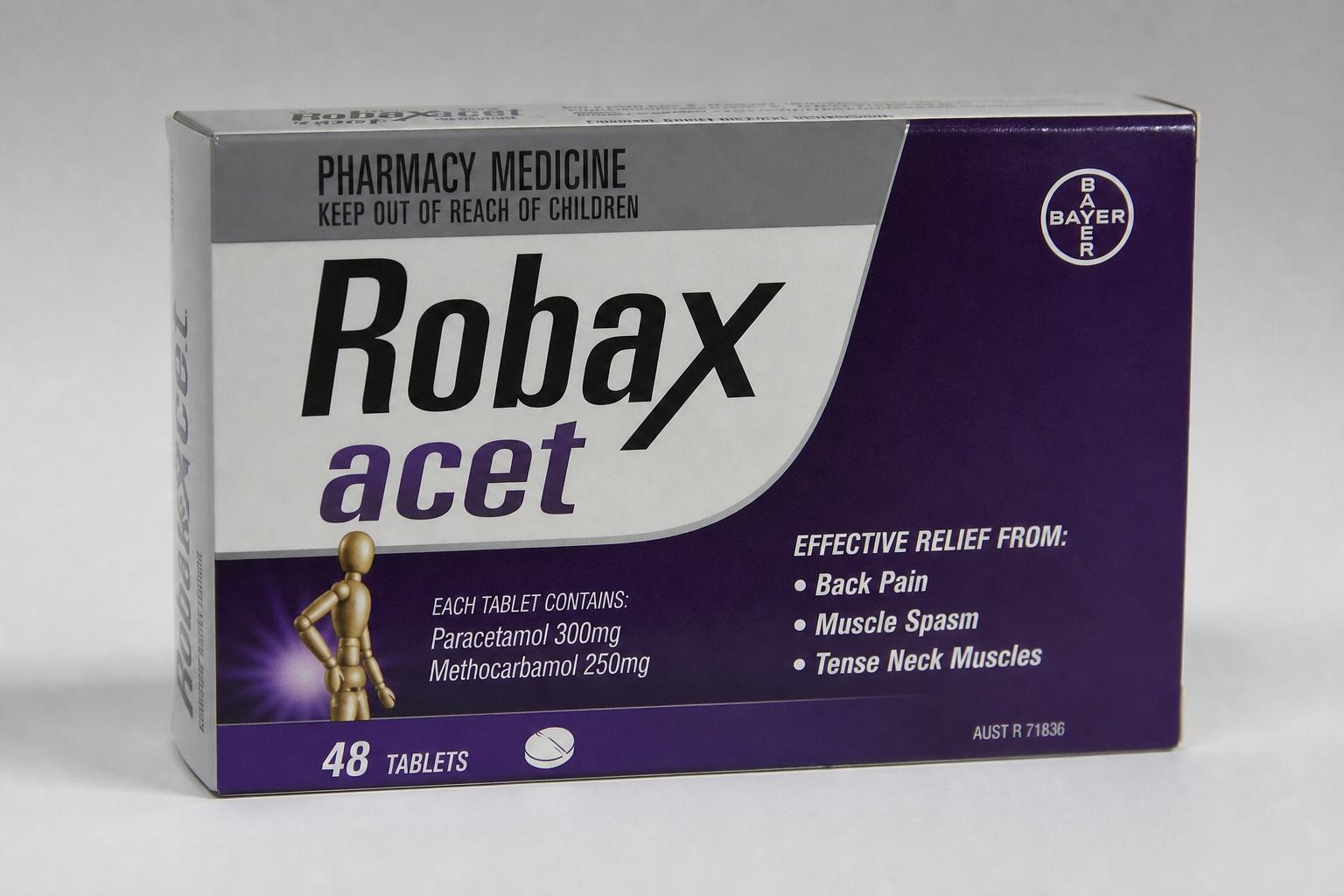
Your back seizes up right after shovelling the driveway in February. Or you wake up after a long drive on the 401 with your neck locked in place. In Canada, one of the most familiar quick fixes for that kind of muscle spasm is Robaxacet. It’s on pharmacy shelves across the country, it works for many people, and it’s easy to use—if you know how to use it wisely. This guide gives you the full picture: what’s in Robaxacet, how it works, when it helps, when to skip it, and how to combine it with the rest of your pain plan without risking your liver, your alertness, or your wallet.
What Is Robaxacet?
Robaxacet is a Canadian over-the-counter muscle relaxant and pain reliever combination. It pairs two well-known medicines in a single caplet: methocarbamol (a centrally acting muscle relaxant) and acetaminophen (also known as paracetamol or “APAP,” the pain and fever reducer in Tylenol). The idea is simple: reduce the pain signal and ease the involuntary muscle tightening that often locks joints and makes every small movement feel impossible.
In many Canadian provinces, Robaxacet and similar methocarbamol combinations are kept behind the pharmacy counter but don’t require a prescription. That means you can usually buy them after a quick chat with the pharmacist. Availability and placement can vary by province or territory, but you’ll reliably find Robax-branded products in most community pharmacies from St. John’s to Victoria.
You’ll see a few variations on shelves:
- Robaxacet (regular strength): methocarbamol plus acetaminophen at standard, label-directed doses.
- Robaxacet Extra Strength: the same ingredients with higher acetaminophen per caplet than the regular version. Always check your specific package for exact amounts.
- Robax Platinum: a sibling product with methocarbamol plus ibuprofen (an NSAID) instead of acetaminophen. Different risks, different sweet spots. More on that below.
Every Robaxacet package in Canada carries a Drug Identification Number (DIN) issued by Health Canada and includes bilingual labelling. Keep the box: the DIN and dose details matter if a healthcare professional needs to review what you took.
How Robaxacet Works (and Why It Sometimes Feels Like a Switch Got Turned Off)
Methocarbamol doesn’t “loosen” a tight muscle the way stretching does. It acts on the central nervous system to dampen the reflex loops that keep muscles firing when they should be resting. Less reflex activity, less spasm. It’s not an opioid, and it doesn’t treat nerve compression directly; it simply reduces the tendency of muscles to clamp down in response to pain or injury.
Acetaminophen works differently. It reduces pain signals and lowers fever by mechanisms in the brain and spinal cord (central analgesia). It won’t reduce inflammation the way ibuprofen or naproxen can, but it’s gentler on the stomach for many people and safe for most when used at label doses.
In practical terms, the combination can feel like a double nudge: one nudge to the pain, one to the spasm. Taken together at the right time (say, after a strain from an awkward lift or a sudden twist on the ice), that can be enough to break the cycle of pain–spasm–more pain so you can move again.
What Robaxacet Helps Most
Robaxacet shines in short-term, self-limited muscle spasms and strains where rest, heat, and gentle movement are already part of the plan. Common Canadian scenarios:
- Lower back spasm after shovelling heavy, wet snow in Halifax.
- Neck spasm after a long drive along the Trans-Canada Highway.
- Upper back tightening after hunching over a laptop in a Toronto condo for hours.
- Calf or hamstring spasm after a weekend hike in Banff or a skate on the Rideau Canal.
It’s not a cure for the cause. If a herniated disc is pressing on a nerve root, the drug won’t unpinch anything. If your shoulder is dislocated, it won’t pop it back in. Think of Robaxacet as a short-term helper while the underlying muscle strain recovers—and while you address posture, workload, or training errors that set you up for the spasm.
When Not to Use Robaxacet
There are clear situations where you should skip Robaxacet or talk to a pharmacist or doctor first:
- Allergy or sensitivity to methocarbamol or acetaminophen.
- Active liver disease, heavy alcohol use, or concurrent use of multiple products containing acetaminophen (cold/flu combinations, some migraine meds).
- Severe kidney disease (especially if considering the ibuprofen-containing Robax Platinum instead).
- Pregnancy or breastfeeding: acetaminophen is generally considered first-line for pain in pregnancy at label doses, but methocarbamol’s safety isn’t as well established. Ask your prenatal care provider for individualized advice.
- Older adults with high fall risk: methocarbamol can cause drowsiness and dizziness. Many muscle relaxants are flagged as “potentially inappropriate” in seniors by the Beers Criteria due to sedation and fall risk.
- Use with other sedatives: alcohol, cannabis, benzodiazepines, certain sleep aids, and some antihistamines can amplify drowsiness.
Also skip the “more is better” mindset. Acetaminophen overdose is a medical emergency. Keep careful track of total daily amounts from all sources.
How to Take Robaxacet Safely
Every Robaxacet package includes specific directions. Follow them. Different strengths have different maximums, and those details matter. Here are practical rules of thumb to guide safe use:
- Stick to the label dose and interval. Most adults take 1–2 caplets per dose, spaced several hours apart. Do not exceed the number of caplets or doses per 24 hours shown on your box.
- Know your acetaminophen ceiling. Across all sources, do not exceed 4,000 mg of acetaminophen in 24 hours. Lower that ceiling if you have liver concerns, drink alcohol regularly, or your doctor or pharmacist advises a lower maximum (3,000 mg per day is a common “safety buffer” target for many adults).
- Time it with your day. Expect onset within about 30–60 minutes, with effects that generally last several hours. If you get drowsy, avoid driving or operating tools until you know how you respond.
- Keep it short. Use Robaxacet for acute flares, not as a daily long-term crutch. If you need it beyond a few days, it’s a sign to check in with a clinician or physiotherapist.
- Hydrate and move gently. Don’t lie in bed all day. Gentle walking, light stretching, and heat can speed recovery. Canada’s Choosing Wisely recommendations emphasize staying active with back pain.
Reading Canadian Labels Without Missing the Fine Print
It’s easy to double-dose acetaminophen accidentally because it hides in many products—especially cold and flu remedies common in Canadian winters. Watch for “acetaminophen,” “paracetamol,” or the abbreviation “APAP” on bilingual labels. Some sinus/cold brands sell separate “day” and “night” versions; both may contain acetaminophen in different amounts. Track the math.
On Robaxacet packages:
- Look for the exact milligrams of methocarbamol and acetaminophen per caplet.
- Note the maximum number of caplets per day and the dosing interval (for example, every 6 or 8 hours).
- Check warnings related to alcohol, liver disease, and sedation.
- Verify the DIN. It confirms you’re using a Health Canada–approved product.
If you’ve tossed the box, your pharmacist can usually look up the dosing for your exact product by brand name and format.
Robaxacet vs. Robax Platinum vs. Other Options
Choosing the right product is less about brand loyalty and more about your health profile and the type of pain you’re tackling.
Robaxacet (methocarbamol + acetaminophen)
Best when you want to avoid NSAIDs (e.g., you have a history of stomach ulcers, some kidney issues, or you’re on certain blood thinners). It’s gentler on the stomach, but you must respect the acetaminophen maximum and watch for liver risks.
Robax Platinum (methocarbamol + ibuprofen)
Consider it when inflammation likely plays a bigger role (e.g., sprains, strains with swelling). The ibuprofen component can address inflammation better than acetaminophen. But it’s not ideal if you have an ulcer history, uncontrolled hypertension, certain kidney problems, or you’re taking medications like some anticoagulants. Always read the label and ask a pharmacist if you’re unsure.
Robaxin (methocarbamol alone) or generic methocarbamol
Sometimes a clinician will recommend methocarbamol alone, letting you pair it with your pain reliever of choice as needed. This offers flexibility—use acetaminophen or an NSAID separately at the right times and doses—but it generally involves a discussion with a healthcare provider about dosing and timing.
Other non-prescription choices
- Ibuprofen or naproxen (Advil, Motrin, Aleve): useful if inflammation is prominent and you can take NSAIDs safely.
- Topical diclofenac gel (Voltaren Emulgel): a good option for localized soft-tissue pain with fewer systemic effects.
- Heat wraps and topical counterirritants (menthol, camphor): helpful adjuncts for muscle tightness.
There’s no “one best” option. The right pick depends on your health conditions, other medicines, and tolerance for side effects like drowsiness or stomach upset. Canadian pharmacists are an underused resource here—five minutes at the counter can save you a lot of trial and error.
Side Effects: What’s Common, What’s Rare, and What’s a Red Flag
Most people tolerate Robaxacet well for short-term use. The most common effects come from the methocarbamol component:
- Drowsiness or sedation
- Dizziness or light-headedness
- Blurred vision, slower reaction time
- Occasionally, upset stomach or nausea
Acetaminophen rarely causes side effects at label doses, but it can seriously injure the liver if you exceed recommended amounts or mix with heavy alcohol use. That’s the headline risk to remember.
Stop the product and seek medical care right away if you notice:
- Signs of an allergic reaction (rash, hives, swelling of lips/tongue/throat, trouble breathing).
- Severe drowsiness with confusion, fainting, or trouble waking.
- Yellowing of skin or eyes, dark urine, severe abdominal pain, or persistent nausea (possible liver injury).
Interactions That Matter in Everyday Canadian Life
Some combinations with Robaxacet are shaky at best and dangerous at worst. The biggest culprits are everyday substances that cause drowsiness or duplicate acetaminophen.
Alcohol
Alcohol plus methocarbamol can make you markedly drowsier and compromise judgment. Alcohol plus acetaminophen stresses the liver. If you’re taking Robaxacet, skip the drinks. If you do drink, limit yourself strictly and avoid taking doses near drinking times.
Cannabis
Legal cannabis is part of many Canadians’ routines. It’s also a central nervous system depressant. Combined with methocarbamol, it can increase sedation and slow reaction time. Be especially cautious with edibles: their delayed onset can stack with your medication unexpectedly.
Other sedatives and sleep aids
Benzodiazepines, some prescription sleep medicines, certain antihistamines (like diphenhydramine in many “nighttime” cold aids), and even some anti-nausea drugs add to sedation. Doubling up raises the risk of falls and impaired driving.
Other acetaminophen products
Cold and flu medications, many combination pain relievers, and some migraine products already contain acetaminophen. Check the ingredient list to avoid exceeding your daily limit.
Blood thinners
Acetaminophen is often preferred over NSAIDs if you’re on warfarin, but higher or chronic doses of acetaminophen can raise your INR. If you take warfarin and use acetaminophen-containing products for several days, let your anticoagulation clinic or prescriber know. With newer anticoagulants, interactions are less direct, but check with a pharmacist if you’re unsure.
Driving and safety-sensitive work
Impaired driving laws in Canada apply to any drug that makes you unsafe behind the wheel. If Robaxacet makes you drowsy or fuzzy, don’t drive. In safety-sensitive jobs—construction sites, rail yards, healthcare night shifts—tell your supervisor you’re taking a potentially sedating med and consider alternative duties until you know your response.
How Long to Use Robaxacet—and What to Do If Pain Persists
Most simple muscle strains settle within a week or two, with the worst easing in the first 48–72 hours. Robaxacet can comfortably fit into those first few days. If you still need it beyond that, it’s time to step back and reassess:
- Are you moving enough? Gentle motion helps. Prolonged bed rest delays recovery.
- Have you layered non-drug strategies—heat, stretching, posture tweaks, and breaks from static positions?
- Could an underlying issue be driving the pain (e.g., ergonomics at your workstation, a training error, or a new repetitive task)?
If the pain doesn’t improve, or it worsens, see a healthcare professional. Physiotherapists, chiropractors, and physicians in Canada can assess mechanics, treat contributing factors, and spot red flags early.
Red Flags: When Back or Neck Pain Needs Urgent Care
Most muscle spasms are nuisance-level problems. A few are not. Seek prompt medical attention, a walk-in clinic, or emergency care if you notice:
- New numbness or weakness in a leg or arm, foot drop, or trouble walking.
- Loss of bladder or bowel control, or new saddle numbness.
- Fever or chills with back pain (possible infection).
- Severe, unrelenting pain after a significant fall, car crash, or heavy impact.
- Unexplained weight loss, history of cancer, or intravenous drug use with new back pain.
If you’re unsure, call 811 (available in many provinces for health advice) or your provincial health line, or speak to a pharmacist who can triage you to the right level of care. For immediate emergencies, call 911.
Cost, Access, and Coverage in Canada
Robaxacet is widely available. Prices vary by retailer, strength, and box size, but you can expect a small-to-medium box to land somewhere in the low tens of dollars. Warehouse clubs and large pharmacies may offer better unit pricing; independent pharmacies can provide more counselling time if you need it. Sales tax applies per provincial rules.
Because Robaxacet is an over-the-counter product, provincial public drug plans generally don’t cover it. Many private or employer benefit plans also exclude OTCs, though some Health Spending Accounts (HSAs) or Personal Spending Accounts may reimburse. If cost is a barrier, ask your pharmacist about generics or alternative strategies that fit your budget.
Practical Pain-Management Game Plan (Beyond the Box)
Robaxacet is a tool, not a plan. Here’s how to build a simple, Canadian-friendly strategy around it:
- Short course of medication if needed. Use Robaxacet at label doses for 1–3 days to get over the acute hump.
- Heat and gentle movement. Heating pads, warm showers, or a microwavable heat pack can relax muscles. Start walking—indoors at a mall in winter if sidewalks are icy.
- Microbreaks at work. In Ottawa, in Vancouver, on Zoom, it’s the same rule: every 30–45 minutes, stand, stretch, reset posture.
- Sleep setup. A supportive mattress and neutral neck alignment matter. Swap the overstuffed pillow for one that keeps your neck in line with your spine.
- Active rehab if needed. Book a physiotherapy session. Many Canadian extended health plans cover a set number of visits. Ask about targeted mobility and core stability work.
- Reassess after 3–7 days. Improving? Taper off medication. No change or worse? Check in with a clinician to rule out other causes.
Real-Life Examples: Matching Robaxacet Use to Common Situations
Snow-shovelling strain in Winnipeg
You overdo the second driveway pass after that overnight dump. By evening, your lower back locks up. You take a label-directed dose of Robaxacet, apply heat, and take a short walk inside. You avoid alcohol that night, sleep on your side with a pillow between your knees, and set a reminder to walk for a few minutes every hour the next day. By Day 2, you need fewer doses and are back to light activity.
Desk-bound neck spasm in Montreal
After three back-to-back virtual meetings, your neck seizes. You review your workstation setup, raise the screen, and change chairs. You use Robaxacet that evening only, add a warm compress, and try a few gentle neck glides your physio taught you last year. You skip driving until you know how the medication affects you.
Weekend hiking mishap in the Rockies
You slip and twist your upper back on a steep section. There’s no numbness, just spasm and soreness. Robaxacet helps overnight. The next day you switch to topical diclofenac gel for a localized sore spot and focus on walking at an easy pace on flat paths. You finish the workweek medication-free.
Pregnancy, Breastfeeding, and Older Adults
Pain management is more nuanced in these groups. A few key points to guide decisions—and a nudge to talk to your own provider:
- Pregnancy: Acetaminophen is generally considered first-line for pain and fever in pregnancy at recommended doses. Methocarbamol data are more limited, and many clinicians prefer non-drug strategies first or a short, carefully considered course if needed. Discuss individual risks and alternatives with your prenatal care provider.
- Breastfeeding: Small amounts of many medications can pass into breast milk. Acetaminophen is typically compatible with breastfeeding. For methocarbamol, consult your healthcare provider to weigh benefits and potential risks for your situation.
- Older adults: Extra caution with any sedating medication. Start with non-drug options, use the lowest effective dose for the shortest time, and watch closely for balance problems or confusion. A fall costs more than any back spasm.
Comparing Ingredients at a Glance
| Product | Main Ingredients | Best For | Key Cautions |
|---|---|---|---|
| Robaxacet | Methocarbamol + Acetaminophen | Spasm + pain where NSAIDs aren’t ideal | Total daily acetaminophen limit; liver disease; sedation |
| Robaxacet Extra Strength | Methocarbamol + higher-dose Acetaminophen | Similar to Robaxacet with fewer pills per dose | Even tighter watch on total acetaminophen across products |
| Robax Platinum | Methocarbamol + Ibuprofen | Spasm with inflammatory component | Ulcer history, kidney disease, certain blood thinners, GI upset |
| Robaxin (or generic) | Methocarbamol alone | Flexible pairing with chosen analgesic | Sedation, dosing requires careful planning with other meds |
Safe Storage and Disposal in Canada
Store Robaxacet at room temperature, away from moisture. Keep it out of reach of kids and pets—especially curious dogs who chew anything that looks like a treat. Check expiry dates; Canadian packaging makes them easy to spot. If you have expired or unused medication, don’t toss it in the trash or flush it. Most provinces participate in pharmacy-based medication return programs. Bring it back to your local pharmacy for safe disposal.
Overdose and Emergencies: What to Do
If you or someone else may have taken too much acetaminophen or a dangerous combination of medicines, don’t wait for symptoms. Acetaminophen overdose can be silent for hours before liver injury appears, and early treatment is far more effective.
- Call your provincial poison centre or the Canada Poison Centres line at 1-844-POISON-X (1-844-764-7669) for immediate, expert guidance.
- If the person is unconscious, having trouble breathing, or seizing, call 911.
Bring the medication package to the phone or to the hospital. The DIN, dose per caplet, and time of ingestion help clinicians choose the right treatment.
Answers to Common Questions About Robaxacet
How fast does Robaxacet work?
Most people notice relief within 30–60 minutes, with benefits lasting several hours. If you take it with food, onset may be a bit slower. Always give each dose time to work before adding more.
Can I take Robaxacet with ibuprofen?
Yes, as long as you’re not using Robax Platinum (which already contains ibuprofen) and you can safely take NSAIDs. Many clinicians recommend alternating or layering acetaminophen and ibuprofen in acute musculoskeletal pain. Have a pharmacist help you plan the timing and doses to avoid duplication and minimize side effects.
Can I drink alcohol while taking Robaxacet?
Better not. Alcohol adds to sedation from methocarbamol and increases the risk of liver injury with acetaminophen. If you choose to drink, keep it very light and avoid taking doses near your drinks.
Is Robaxacet addictive?
No. Methocarbamol is not an opioid, and neither ingredient is considered addictive in the way opioids or some sedatives are. That said, relying on any medication daily for pain relief can mask underlying issues. Use it short term and pursue rehab strategies for longer-lasting results.
Can I use Robaxacet if I’m already taking Tylenol?
Only if you account for total acetaminophen from both. Robaxacet includes acetaminophen. Add up all sources and keep the grand total within the 24-hour limit. If you need a muscle relaxant with separate dosing flexibility, ask a pharmacist about methocarbamol alone or a different plan.
Is it safe to drive after taking Robaxacet?
Not until you know how it affects you. Methocarbamol can cause drowsiness and slow reaction times. Canada’s impaired driving laws apply to any drug that affects your ability to drive safely. Try your first dose at home, and don’t drive if you feel even slightly impaired.
What’s the difference between Robaxacet and Robaxacet Extra Strength?
Both combine methocarbamol and acetaminophen. Extra Strength versions contain more acetaminophen per caplet than regular strength, which may mean fewer pills per dose. Always read your specific package and follow that dosing schedule.
Is Robaxacet covered by provincial drug plans?
As an over-the-counter product, it’s typically not covered by public drug plans. Some private benefit plans or Health Spending Accounts may reimburse. Ask your plan administrator or pharmacist.
What if I’m on warfarin (Coumadin)?
Acetaminophen is generally preferred over NSAIDs for people on warfarin, but higher daily doses for several days can increase your INR. If you need to use acetaminophen-containing products for more than a day or two, let your prescriber or clinic know.
Can teenagers take Robaxacet?
Check the label for age limits. Many products are intended for adults and children 12 years and older. For younger children or teens with ongoing pain, consult a healthcare professional for age-appropriate options and dosing.
How long can I safely take Robaxacet?
For short-term, acute spasms, a few days is typical. If you find yourself needing it beyond that, or repeatedly every week, it’s time to reassess the cause and your plan with a clinician or physiotherapist.
Will Robaxacet show up on a drug test?
Standard employment drug screens don’t look for methocarbamol or acetaminophen. However, if your workplace has strict safety rules around sedating medications, disclose use as required by policy.
What if I have stomach problems or a history of ulcers?
Robaxacet (with acetaminophen) is often preferred over ibuprofen-containing options like Robax Platinum if you have ulcer history. Still, discuss your individual risk factors with a pharmacist or doctor, especially if you also take aspirin or blood thinners.
Are there generic equivalents to Robaxacet?
Yes. Many pharmacies carry store-brand or generic versions that contain the same active ingredients (methocarbamol + acetaminophen) at comparable strengths. The package will list the same active ingredients and display a Health Canada DIN.
Can I use Robaxacet alongside physiotherapy or massage?
Absolutely. In fact, combining short-term medication with active rehab and manual therapy is often the quickest route back to normal. Use the medication to reduce spasm enough to move and stretch effectively, then taper off as function improves.
The Bottom Line
Robaxacet can be a smart, short-term ally against muscle spasm and back pain when used the Canadian way: read the label, respect acetaminophen limits, avoid alcohol or cannabis while it’s on board, and prioritize movement and rehab. If pain lingers, worsens, or comes with red flags, get it checked. Your pharmacist is the fastest, most accessible guide to safe use—and five minutes of tailored advice often beats twenty minutes of guessing in the aisle.